Siberian Leopard Cat
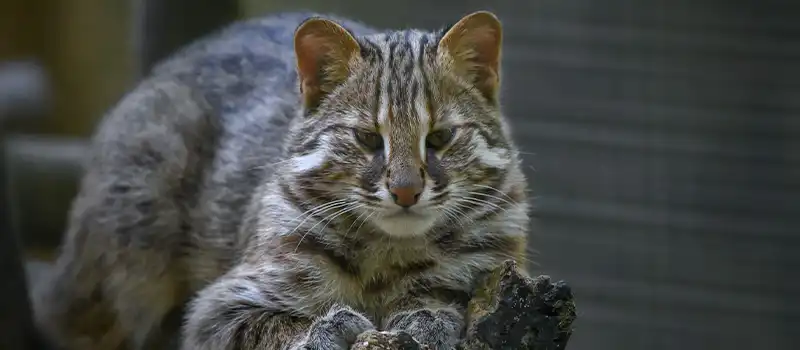
The Siberian leopard cat, also known as the Amur cat, is a subspecies of the Asian leopard cat, adapted to the cold conditions of the boreal and temperate forests of the Russian Far East, northern China, and the Korean peninsula. This discreet feline is perfectly adapted to its environment, where winters are long and harsh.
Size and weight
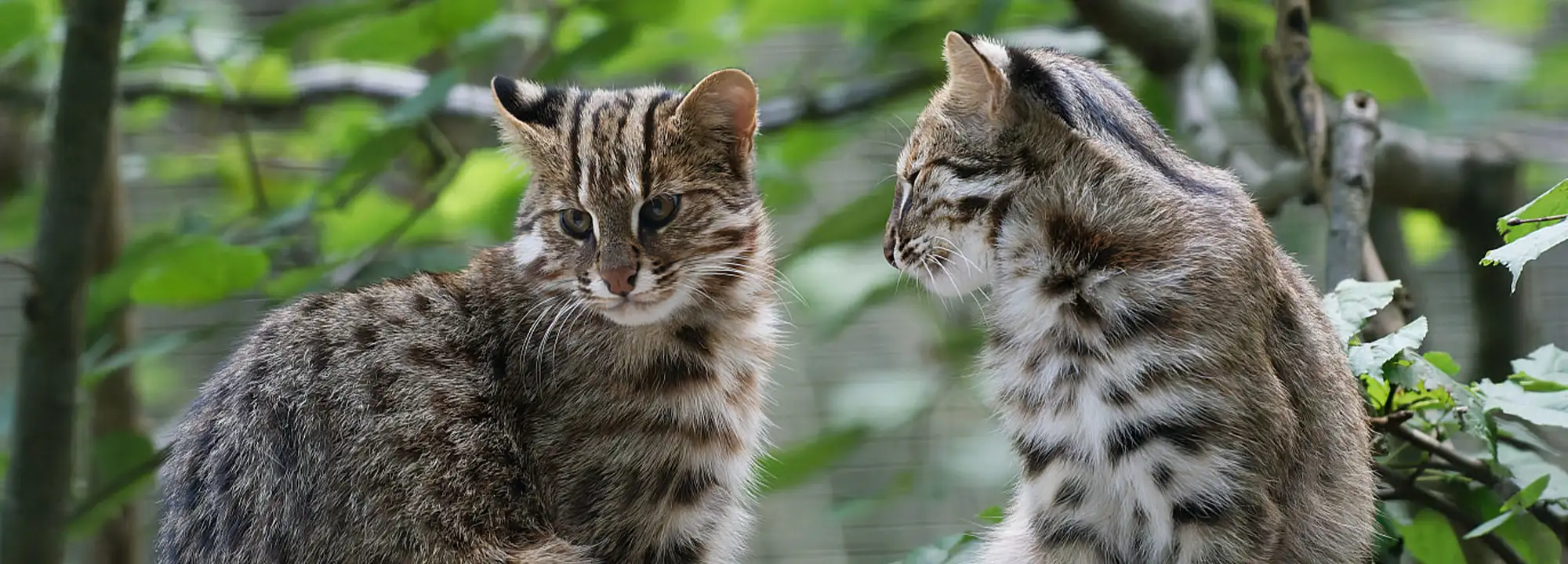
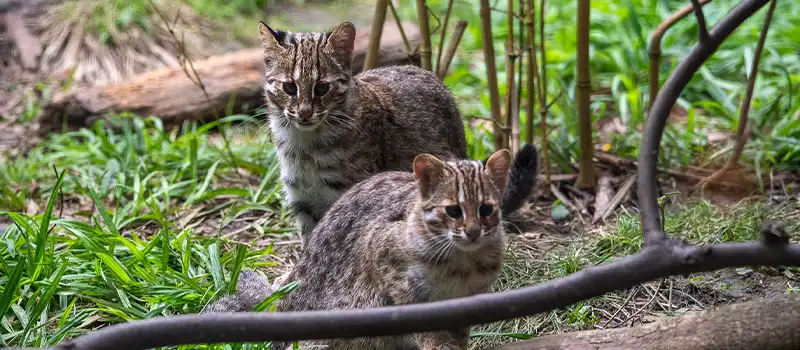
Its dense and thick coat varies from light gray to tawny brown, with dark spots and marked stripes, which provide it with excellent camouflage in snowy forest landscapes. Its belly is lighter, almost white, and its tail, short and thick, is adorned with distinct dark bands. With a total length, including the tail, of 60 to 90 cm and a weight varying between 4 and 7 kg, it is slightly more robust than its cousins living in tropical climates.
Diet
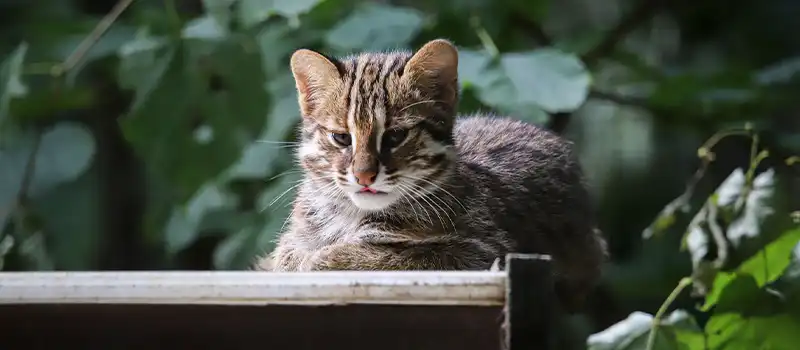
The Siberian leopard cat is a solitary, agile, and opportunistic hunter. Its diet is mainly composed of small mammals, such as voles and mice, but also birds, amphibians, and sometimes fish. In winter, when it becomes more difficult to find prey, it can capture hares or feed on remains left by other predators. Its large paws and sharp claws allow it to move efficiently through the snow and climb trees.
Conservation and threats
This feline lives mainly in the mixed and coniferous forests of the valleys and hills bordering the Amur River. This environment, rich in natural hiding places, offers it both hunting areas and shelter from the cold and predators.
Conservation and threats
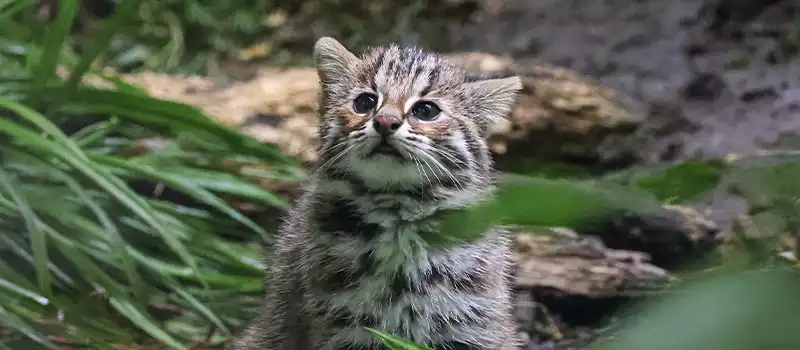
Despite its adaptability, the Siberian leopard cat faces growing threats, notably deforestation, which reduces its natural habitat, and poaching, mainly for its prized fur. Although it is still present in several regions, its populations are declining in some areas.