
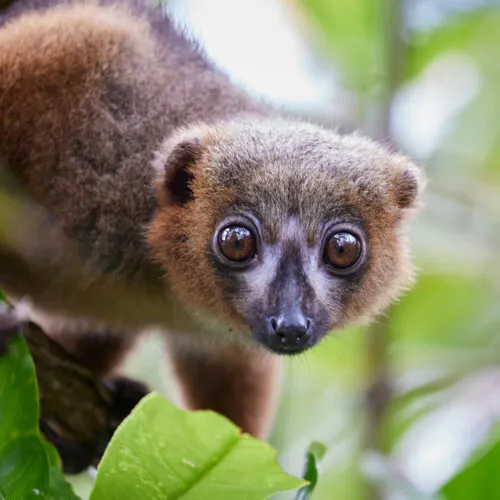
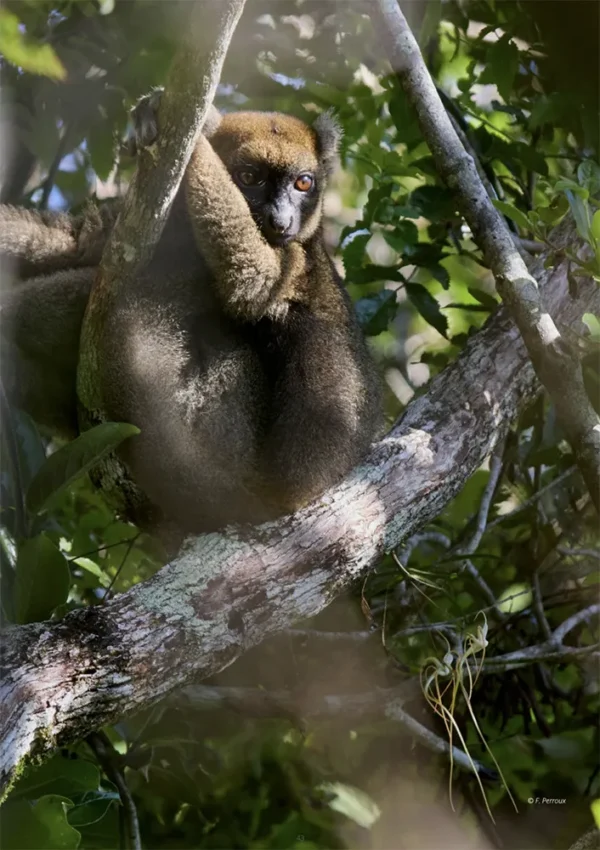
Since 2018, our partnership with Helpsimus is part of a global strategy to protect biodiversity in Madagascar, with emphasis on the Greater Bamboo Lemur (Prolemur simus), an endangered species whose survival is closely linked to the balance of local ecosystems. This project is not limited to animal conservation: it is also a genuine human development initiative.
Concrete actions of the Helpsimus project:
Scientific monitoring and habitat protection
Field teams conduct rigorous monitoring of greater bamboo lemur populations. They study their behavior, reproduction and group dynamics in order to better adapt protection measures. In parallel, the restoration and preservation of natural habitats make it possible to create an environment conducive not only to the survival of this species, but also to the regeneration of local biodiversity.
Support for local communities
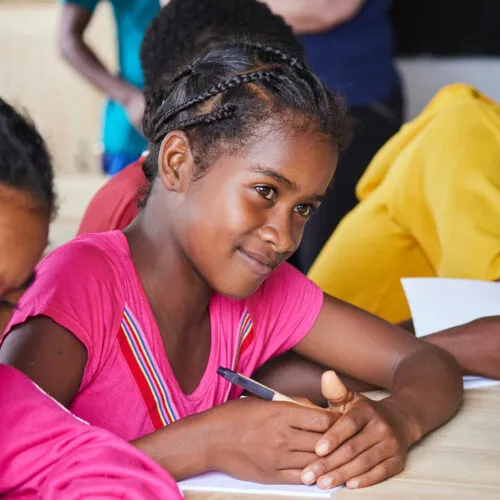
Aware that conservation also depends on the well-being of human populations, the project integrates social and educational actions. Funding school canteens and implementing environmental awareness programs aim to improve the living conditions of residents. By encouraging education and supporting the development of essential infrastructure, Helpsimus contributes to creating economic opportunities and strengthening the link between communities and their natural environment.
Promotion of sustainable agricultural practices
In collaboration with local farmers, the project promotes environmentally friendly farming techniques. These initiatives help limit deforestation and overexploitation of land, thus promoting the preservation of forest areas crucial for the Greater Bamboo Lemur and biodiversity in general.
The results are tangible :
the population of greater bamboo lemurs has shown signs of stabilization, and communities benefit from better access to education and quality infrastructure. This integrated model demonstrates that investing in animal protection can also generate positive returns for human development, by creating synergies between nature conservation and improving local living conditions.
Geladas in Ethiopia: A scientific adventure in the heart of the highlands
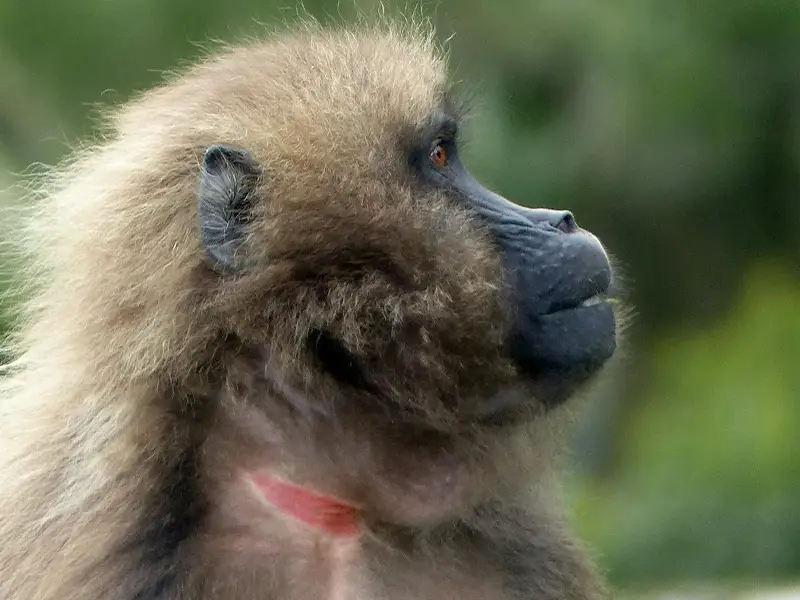
Since 2018, the Lumigny Safari Reserve is committed alongside scientific partners to support an in situ research project dedicated to geladas, these emblematic primates of the Ethiopian highlands. Exclusive to this territory, geladas (Theropithecus gelada) fascinate with their complex social behavior and their essential role in the balance of local ecosystems. This project, funded for the period 2023-2026, aims to deepen our knowledge of this species and strengthen conservation actions on the ground.
Project objectives and methods
The research program’s main objective is to better understand the social dynamics of geladas and identify environmental factors that influence their behavior and reproduction. Teams of biologists and ecologists work closely with local institutions to conduct field observations and collect precise data. The use of technologies such as surveillance cameras and GPS tracking makes it possible to map the movements of groups and study the use of natural resources in their habitat.
The actions implemented include:
Development of adapted ecological corridors
Identification and establishment of corridors essential for circulation between different groups of geladas, thus limiting genetic isolation and promoting natural dispersal of the species.
Transfer of skills and awareness of local communities
Organization of training workshops and awareness sessions in collaboration with residents, to promote sustainable and environmentally friendly agricultural practices, thus strengthening the link between wildlife conservation and human development.
Improvement of local infrastructure
Implementation of concrete projects, such as the construction or renovation of school canteens and community infrastructure, to improve the daily lives of local populations and support sustainable development in harmony with the preservation of natural habitats.
Monitoring and Protection of the European Lynx with the SFEPM
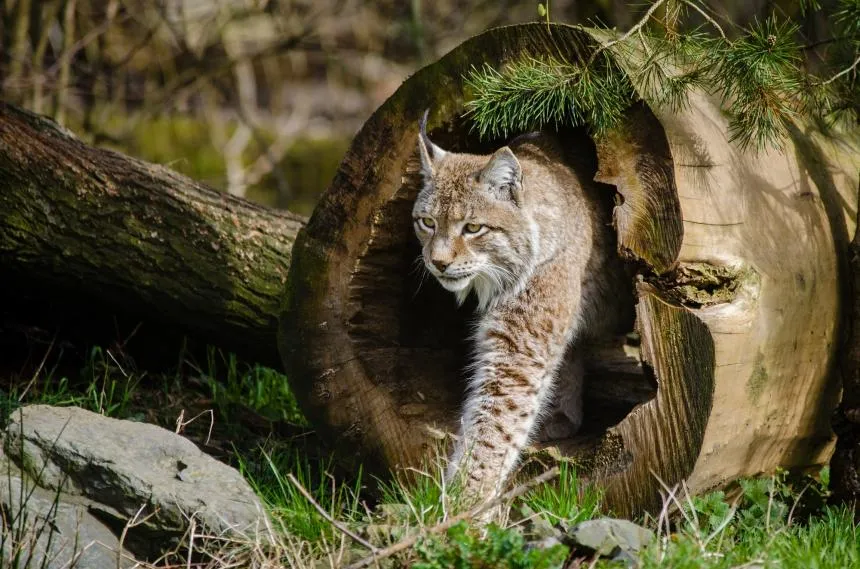
In parallel, Lumigny Safari Reserve also supports projects in France, notably in collaboration with the French Society for the Study and Protection of Mammals (SFEPM). In 2022, we invested in the deployment of innovative surveillance devices along the European lynx colonization front, as part of the National Action Plan for Lynx 2022-2026.
The actions implemented include:
Installation of camera traps and monitoring devices
These tools make it possible to collect precise data on the distribution and movements of the lynx. Thanks to this information, scientists can better understand the needs of this species and define adapted protection strategies. The technology used allows continuous monitoring, essential for detecting and preventing any risk related to poaching or illegal occupation of territories.
Strengthening the management of ecological corridors
Preserving corridors connecting lynx populations is crucial for maintaining sufficient genetic diversity and ensuring the long-term viability of the species. This project also contributes to the management of natural spaces to promote harmonious cohabitation between humans and wildlife, thus contributing to the enhancement of local biodiversity.
Impact on regional development
Beyond its ecological benefits, this project contributes to sustainable development of the territories involved. Data collection on lynx and improved management of natural spaces promote the development of ecotourism, creating new economic opportunities for local communities while strengthening awareness of conservation.
Innovations in conservation: The sand cat and the effect of catnip
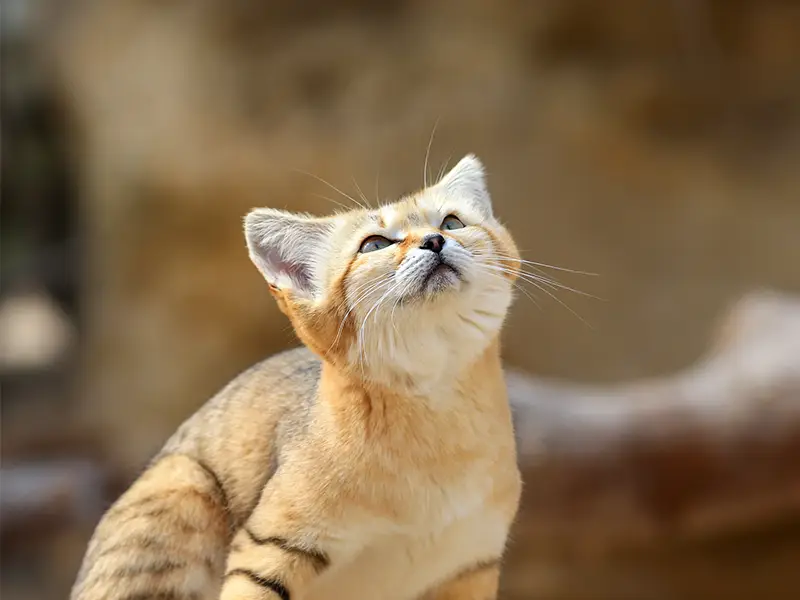
The Lumigny Safari Reserve is proud of its long-standing commitment to the preservation of the sand cat, official manager of the European Breeding Program for this emblematic species. Today, we are innovating by combining animal conservation and scientific research, participating in an unprecedented study on the effect of catnip – also known as cat mint – on felines.
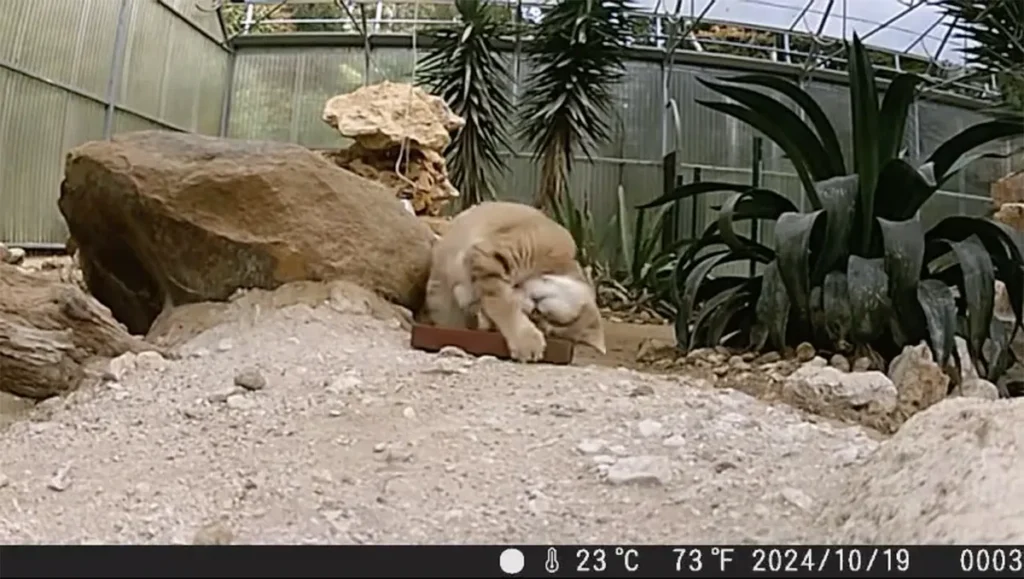
For several days, Lumigny Safari Reserve hosted Japanese scientist Masao Miyazaki as well as a filming crew for ARTE. As part of this in-depth study, the objective is to determine whether the exceptional attraction that catnip exerts on domestic cats – which often roll in this aromatic plant, probably to benefit from its insect-repellent properties – is also present in other feline species, particularly in the sand cat.
Objectives and potential outcomes
:
The results of this research could revolutionize census protocols in the wild.
Indeed, if wild felines are attracted to catnip, it would be possible to place samples of this plant near areas equipped with camera traps. This would allow us to attract individuals, obtain photographs at sufficient proximity, and improve the identification of different specimens using artificial intelligence.
Such an advance would have a major impact on the conservation of threatened feline species by facilitating their monitoring and protection.
This initiative is part of our commitment to combining scientific research with concrete field actions. The very promising reaction observed in one of our sand cats, captured by a camera trap, already testifies to the potential of this method. By improving our census techniques and refining our knowledge of feline behavior, we hope to strengthen protection strategies for these endangered species.
This innovative project complements our long-standing commitment to sand cat preservation, while opening new perspectives for the conservation of other wild felines.
By investing in research and testing new approaches, Lumigny Safari Reserve continues to play an active role in protecting biodiversity, while demonstrating that the synergy between animal conservation and scientific research can lead to significant advances for the future of our ecosystems.
Lumigny Safari Reserve is proud to support this initiative, convinced that every action in the field, combined with innovative research, contributes to building a future where wildlife and cutting-edge technologies work together for the preservation of our planet.
From passion to action: building together a sustainable future for biodiversity
At Lumigny Safari Reserve, we are committed to transforming our passion for wildlife into concrete field actions.
Our commitment is not limited to providing a refuge for the species we host: it is part of a global approach aimed at protecting biodiversity on an international scale, by actively participating in in situ and ex situ conservation projects.
Whether by safeguarding the Greater Hapalemur in Madagascar, studying the behavior of geladas in Ethiopia, ensuring the monitoring of lynx in Europe or exploring new census methods for sand cats, each initiative we support is based on rigorous scientific approach and solutions adapted to contemporary challenges in species preservation.
We believe that nature protection cannot be done without local communities.
That is why our actions are not limited solely to the study and conservation of animal species, but also include social and educational initiatives aimed at raising awareness and improving the daily lives of populations that share these territories with wildlife.
We collaborate with researchers, associations and local actors to find a balance between conservation and human development, so that ecosystem protection benefits both animals and the populations that depend on them.
Through our solid and sustainable partnerships, we have already contributed to the protection of many threatened species, but we know that the road is still long.
These actions are only a glimpse of our commitment, as new projects are constantly being studied and developed to continue working for a planet where nature and humans coexist in harmony.
Preserve today, for tomorrow. It is in this spirit that we continue our mission, convinced that every action, every initiative, every scientific advance can make a difference. Together, we are building a future where the preservation of life is a priority, where wildlife and ecosystems can thrive without compromising the needs of future generations.