Atlas Lion
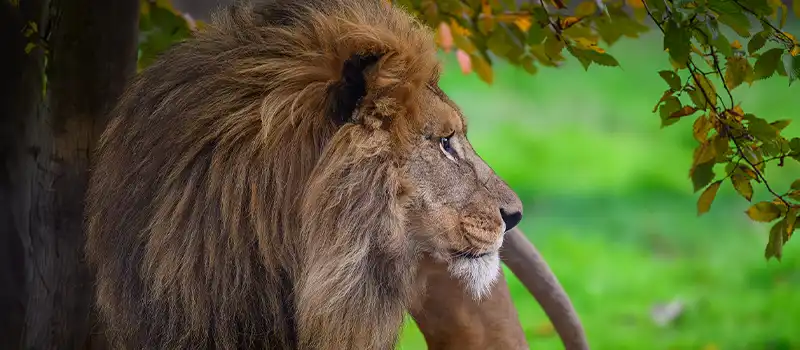
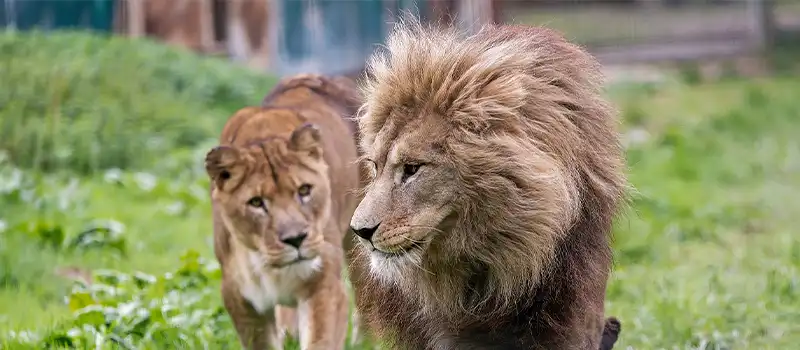
The Atlas lion, also called the Barbary lion, is a subspecies of lion that is now extinct in the wild. It was once present in the mountains and forests of North Africa, particularly in the Atlas, which extends from Morocco to Tunisia. This majestic feline is renowned for its large size and spectacular mane, which often extended to its belly and shoulders, giving it an imposing and noble appearance.
Size and weight
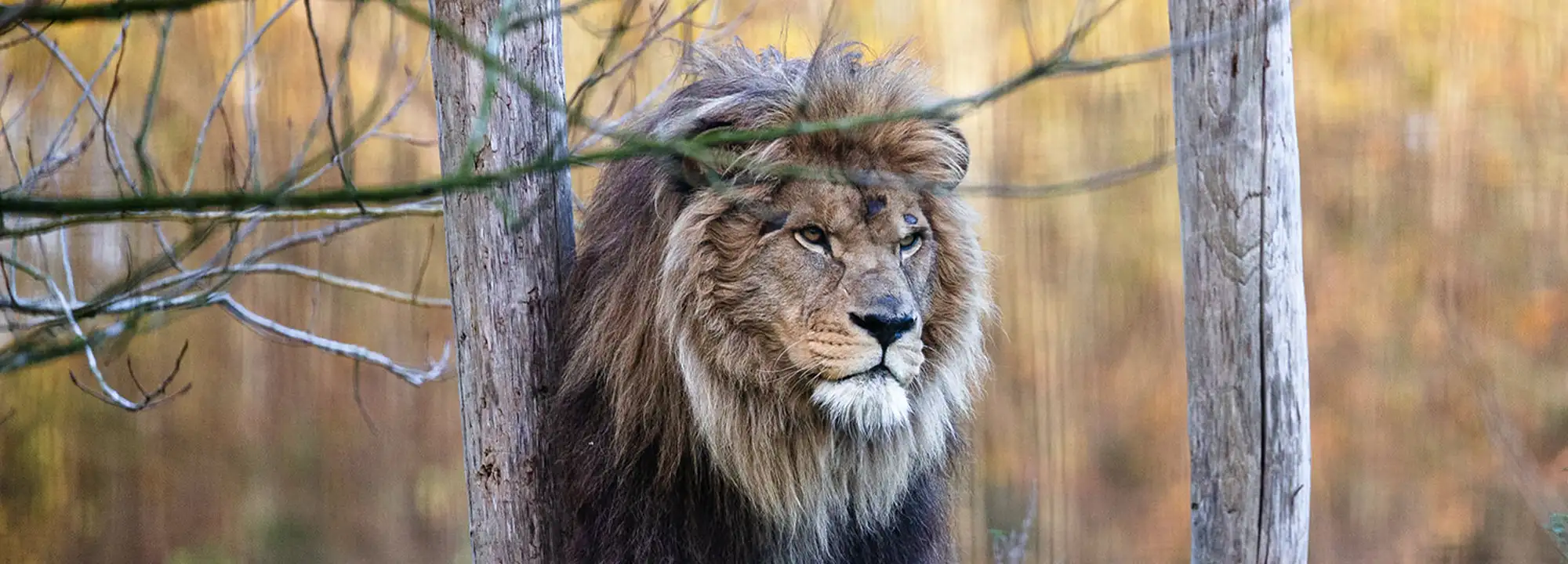
It was one of the largest representatives of its species. Males measured up to 3.30 meters long, including the tail, and could weigh up to 270 kg, while females were slightly smaller, weighing between 100 and 180 kg. Its mane, dense and dark, was one of its distinctive characteristics, thickening under the influence of the cold climates of the mountains.
Additional information
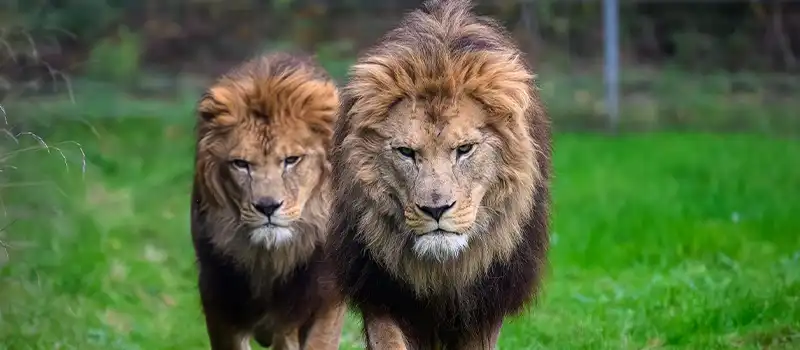
This formidable predator hunted a wide variety of prey, such as antelopes, wild boars, mouflons and sometimes even young elephants or camels. Living in family groups called prides, these lions were cooperative hunters, exploiting the mountainous terrain to ambush their prey.
Habitat and distribution
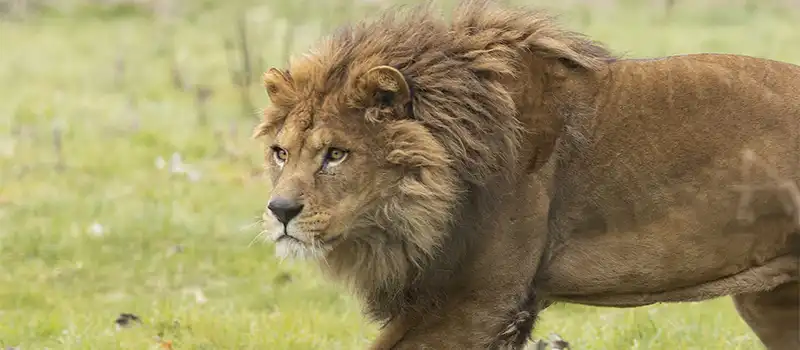
The Atlas lion occupied varied habitats, ranging from the snow-capped mountains of the Atlas to Mediterranean forests. It adapted to harsh temperatures and scarce resources, which distinguished it from lions of African savannas.
Conservation and threats
Over the centuries, the Atlas lion was hunted intensively for its fur and as a trophy. It was also captured for gladiator fights in the Roman Empire, which accelerated its decline. The last wild individuals are believed to have disappeared in the early twentieth century, victims of excessive hunting and habitat destruction.