Eurasian Lynx
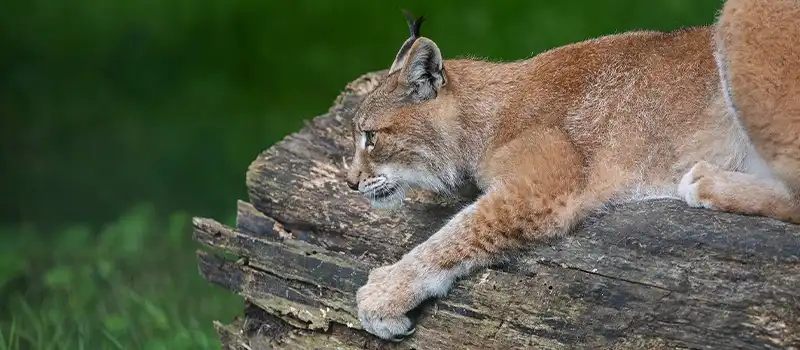
The Eurasian lynx, also called lynx of Eurasia, is the largest of the four lynx species and one of the most emblematic felines of the forests of Europe, Asia and Russia. This solitary and discreet predator is perfectly adapted to life in the vast wooded expanses and snow-capped mountains of the northern hemisphere.
Habitat and distribution
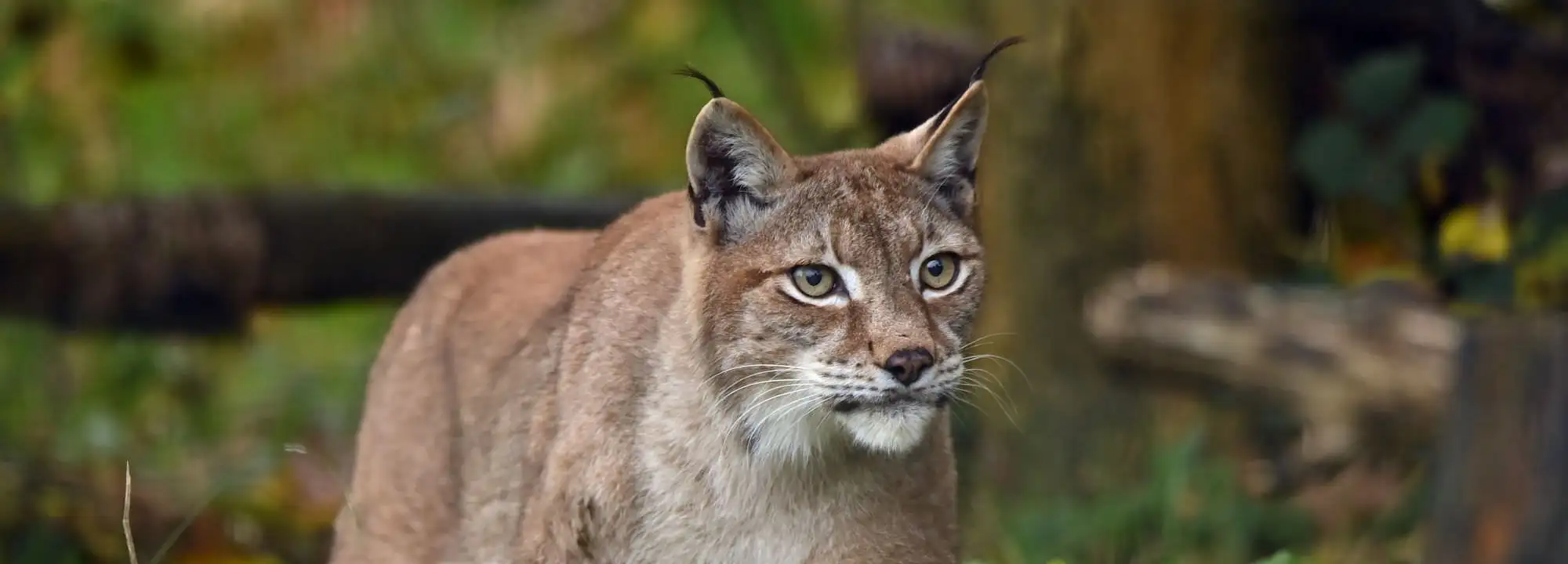
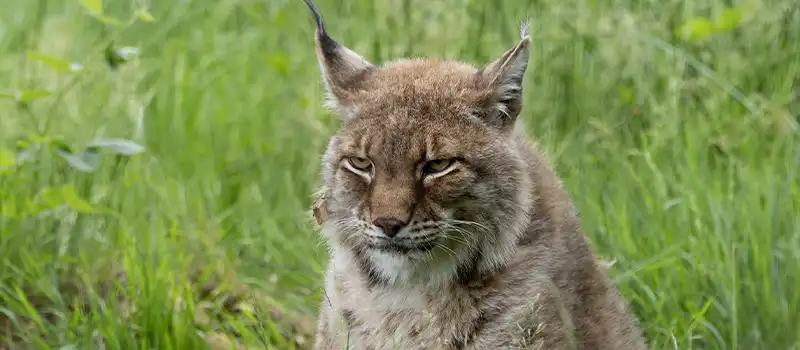
The Eurasian lynx is recognizable by its thick tawny, beige or grayish fur, often marked with dark spots, whose density and color vary depending on its habitat. Its triangular ears adorned with long tufts of black hair, its characteristic whiskers and its short tail ending with a black tip are its distinctive features. It measures between 80 and 130 cm long, for a height at the withers of 50 to 75 cm, and its weight varies from 15 to 38 kg, with males being more imposing than females.
Diet
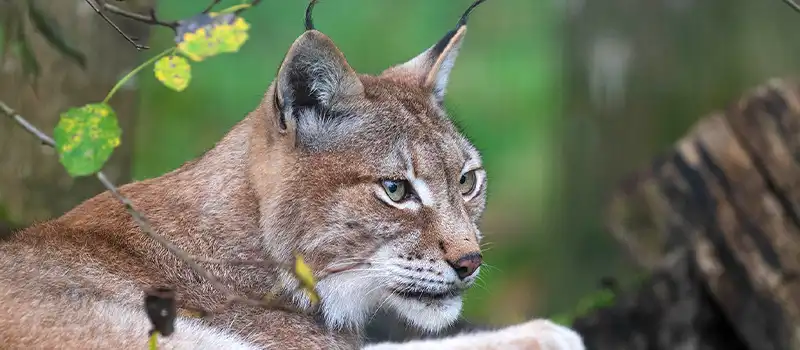
A strict carnivore, the Eurasian lynx is an opportunistic hunter that feeds mainly on medium-sized ungulates, such as roe deer, but it can also capture hares, foxes, birds and sometimes small rodents. It is an ambush predator that uses its agility, discretion and power to approach its prey before pouncing with precision. After a successful hunt, it can remain several days near its prey to feed on it.
Habitat and distribution
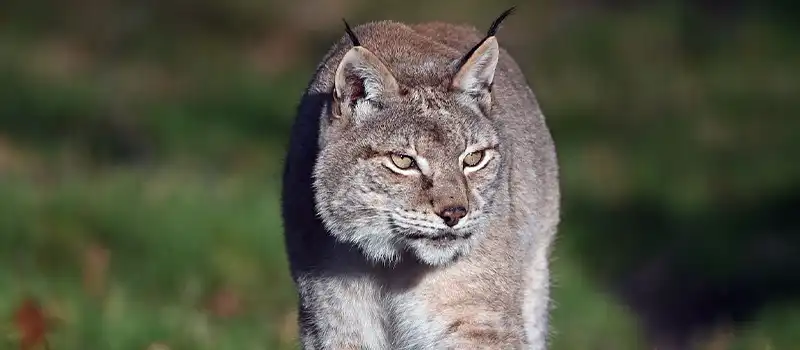
The Eurasian lynx lives mainly in dense forests of conifers and deciduous trees, but it is also found in mountains and rocky regions. These environments offer it perfect hiding places to hunt and rest. It is a territorial and solitary animal, roaming territories that can extend over several hundred square kilometers, depending on the density of available prey.
Conservation and threats
Long hunted for its fur and persecuted by humans, the Eurasian lynx has disappeared from many regions of Europe over the past centuries. However, thanks to conservation and reintroduction programs, its populations are beginning to recover in some countries, particularly in France, Germany and Switzerland. Today, it is classified as “Least Concern” globally by the International Union for Conservation of Nature (IUCN), but it remains threatened by habitat fragmentation, road collisions and poaching.