Siberian Lynx
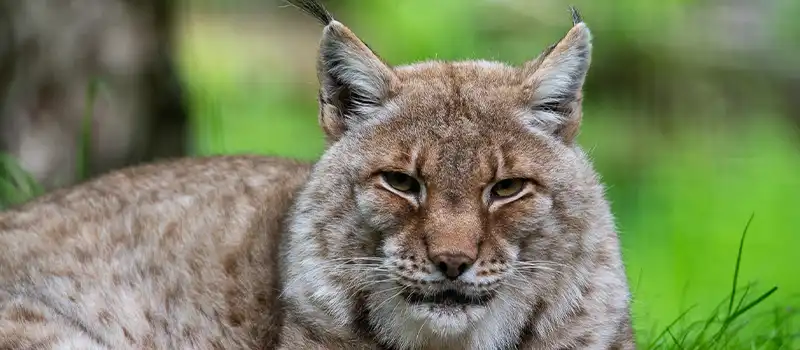
The Siberian lynx, also called boreal lynx, is one of the largest representatives of the feline family in Eurasia. This discreet and solitary predator lives in the vast boreal and temperate forests of Siberia, as well as in certain regions of Eastern Europe and Central Asia. It is perfectly adapted to cold and snowy climates, which characterize a large part of its habitat.
Physical description
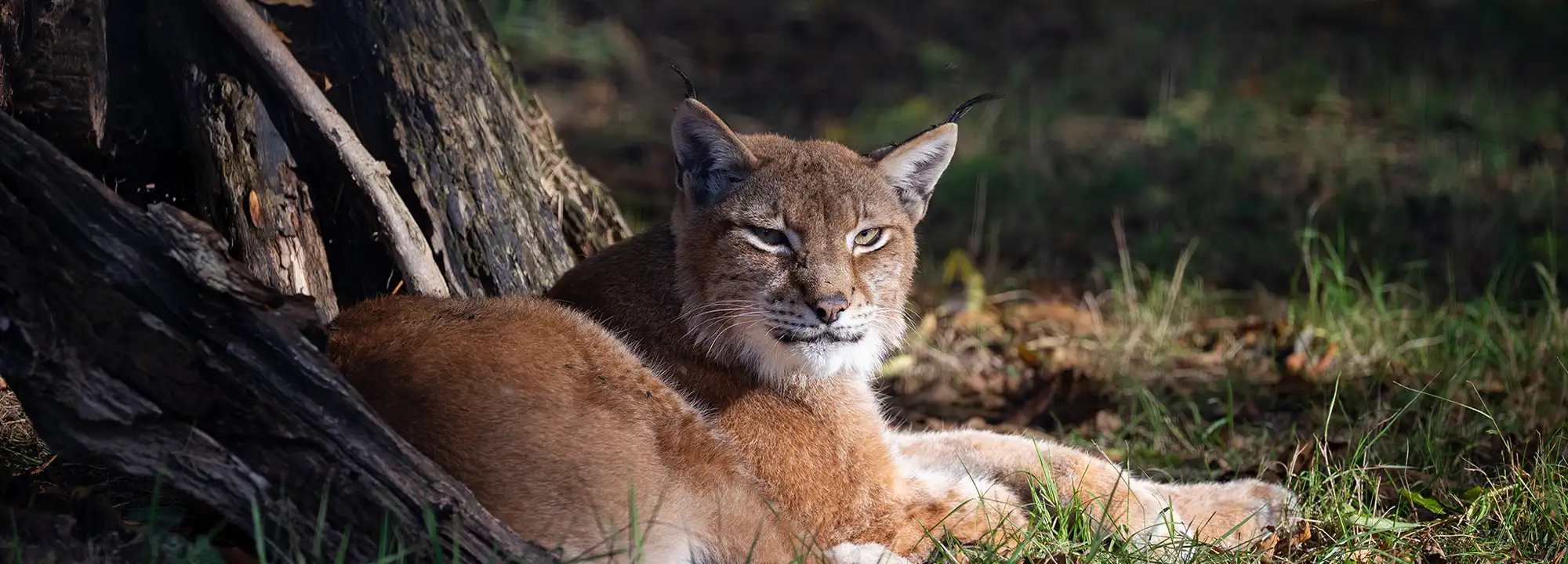
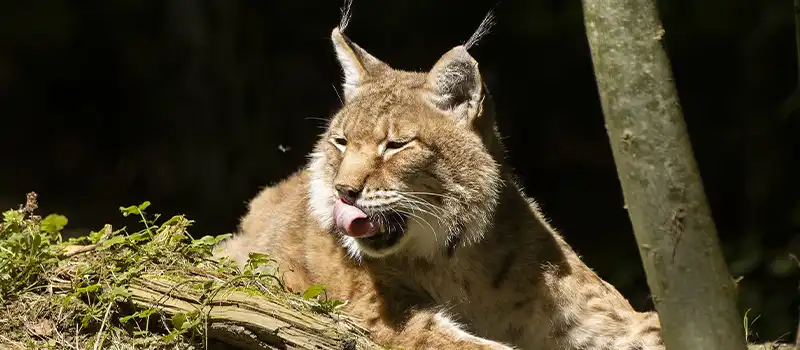
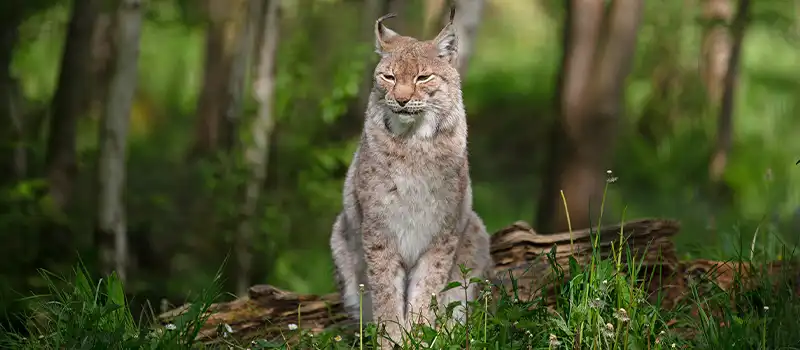
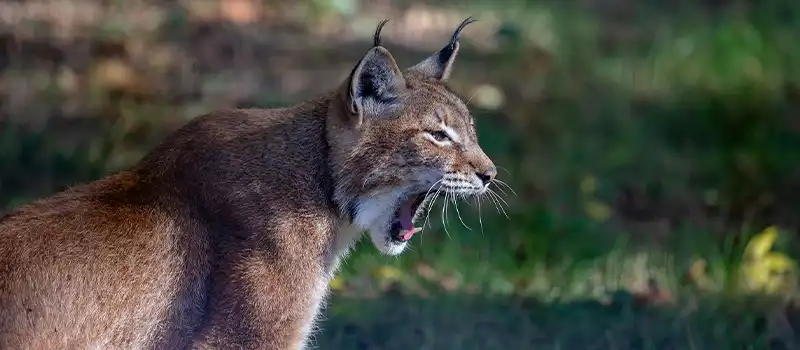
Its thick and dense coat varies from light gray to reddish brown, often dotted with dark spots that provide it with excellent camouflage in snowy undergrowth. In winter, its fur becomes even thicker, and its color lightens to better blend in with icy landscapes. Its tail is short, ending with a black tip, and its pointed ears, topped with long tufts of black hair, enhance its hearing, allowing it to detect the most subtle sounds.
Size and weight
The Siberian lynx is a robust feline, measuring between 80 and 130 centimeters long (not counting the tail) with a weight varying from 18 to 38 kg depending on the individual. Its large paws, covered with thick fur, act as natural snowshoes, allowing it to move with ease on deep snow.
Diet
A strict carnivore, it feeds mainly on ungulates such as roe deer, deer and chamois, although it can also hunt smaller prey such as hares, birds or rodents. Its incredible discretion and patience make it a formidable hunter, capable of pouncing on its prey after a stealthy approach.
Behavior and reproduction
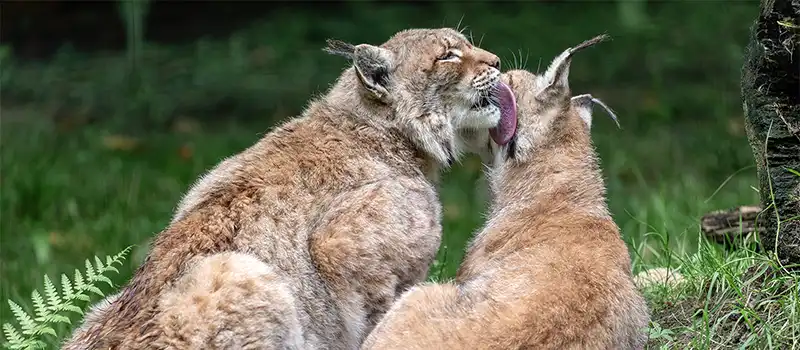
This solitary feline roams territories that can reach several hundred square kilometers, which it carefully marks to repel its congeners. Although difficult to observe in the wild, the Siberian lynx plays an essential role in the balance of ecosystems by regulating the populations of its prey.
Conservation and threats
Once widely distributed, the Siberian lynx has seen its numbers decline due to hunting, poaching for its fur, and fragmentation of its habitat.