Red Lynx
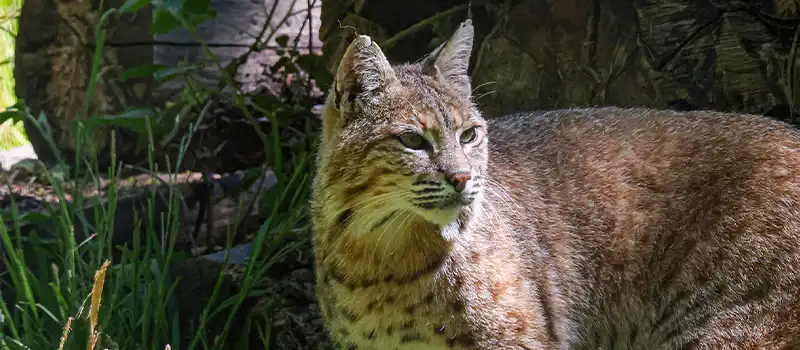
The red lynx, also known as the bobcat, is an emblematic feline of North America. It inhabits a wide variety of ecosystems, ranging from forests and mountains to grasslands, marshes, and even urban areas. Its range extends from Canada to Mexico, passing through the United States, making it one of the most widespread and adaptable lynx species in the world.
Size and weight
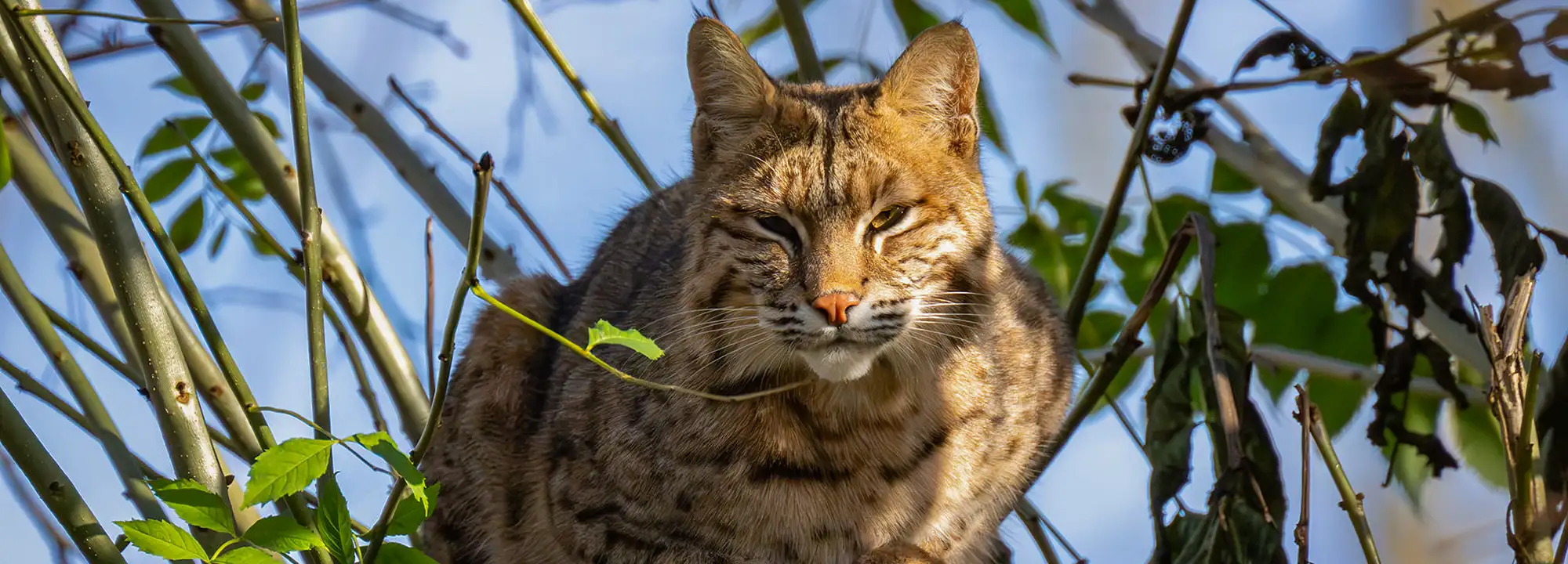
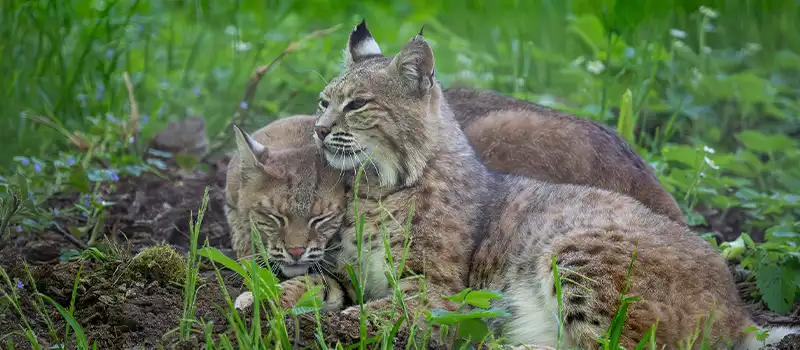
The red lynx is a medium-sized predator, with a body length ranging from 60 to 105 cm, not counting a tail of 15 to 25 cm. It generally weighs between 6 and 14 kg, with males being larger than females. Its coat, which varies from light brown to reddish-gray, is spotted or striped, allowing it to blend perfectly into its natural environment. Its short black tail, from which it gets its name “bobcat” (“bob” meaning “short” in English), is marked with several dark rings. The red lynx also has pointed ears with black tufts at their tips, as well as wide, furry paws that help it move easily through the snow.
Diet
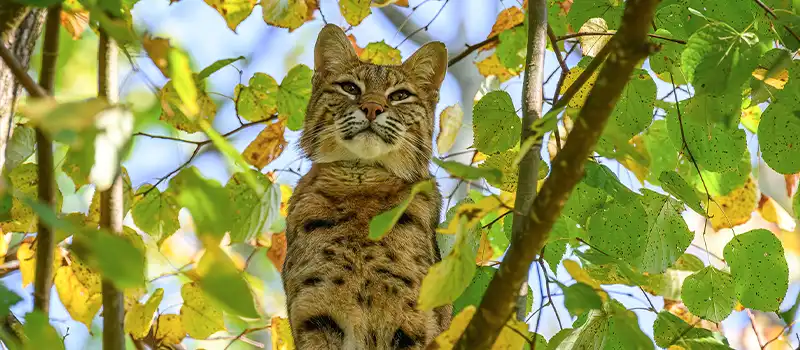
A strict carnivore, the red lynx feeds mainly on small mammals such as rabbits, hares, and squirrels, but it can also hunt birds, rodents, and sometimes larger prey such as deer. This feline is a solitary hunter, which uses its excellent vision and keen hearing to locate its prey, often at dawn or dusk. It generally hunts in ambush, approaching its victim silently before pouncing on it. Its agility and ability to climb trees help it escape predators and find hiding places for its meals.
Behavior and reproduction
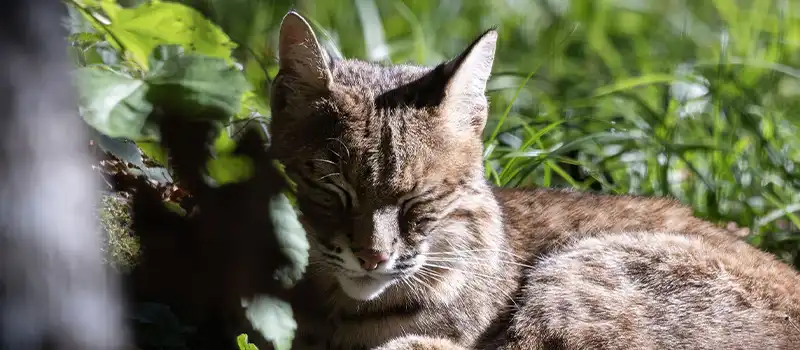
The red lynx generally lives solitary and marks its territory using scratches on tree trunks and urine. It builds its nest in dense bushes, crevices, or fallen trees, and can roam vast territories, ranging from 5 to 40 square kilometers, depending on population density and prey availability.
Conservation and threats
Although the red lynx is currently classified as “Least Concern” by the International Union for Conservation of Nature (IUCN), it faces threats, mainly related to the loss of its natural habitat, urbanization, and illegal hunting.