Conservation and threats
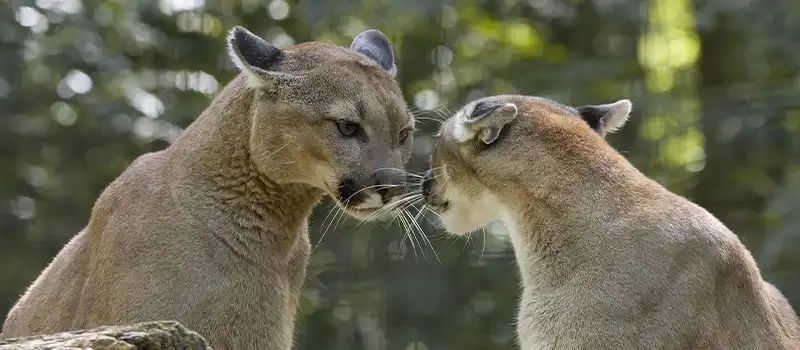
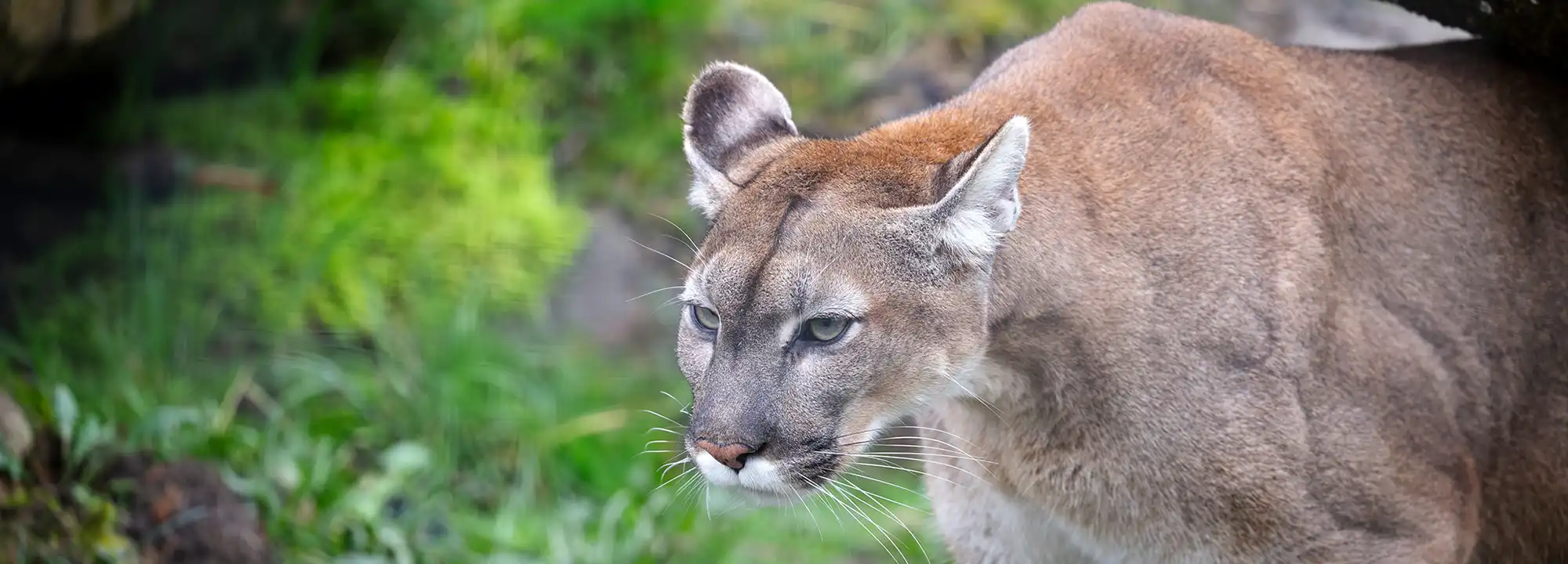
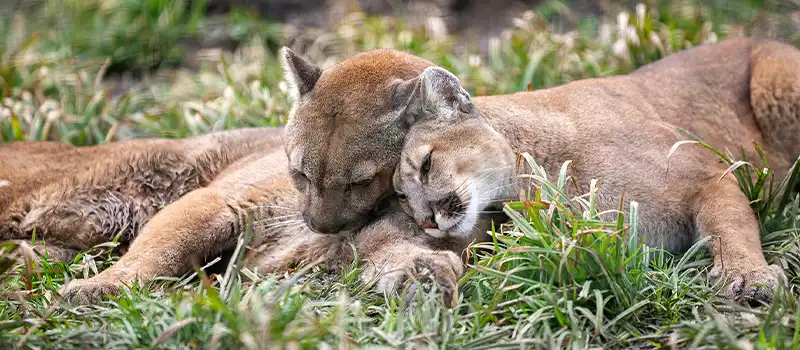
With a size ranging from 1.50 to 2.70 meters in length, including the tail, and a weight varying between 40 and 100 kg, the puma is a large and extremely agile predator. Its coat, generally tawny, gray-brown or beige in color, is uniform and light on the belly, which allows it to blend into a variety of habitats, ranging from rocky mountains to dense forests to open grasslands. Its long tail, with a black tip, is an asset for balance, particularly when climbing or hunting.
Diet
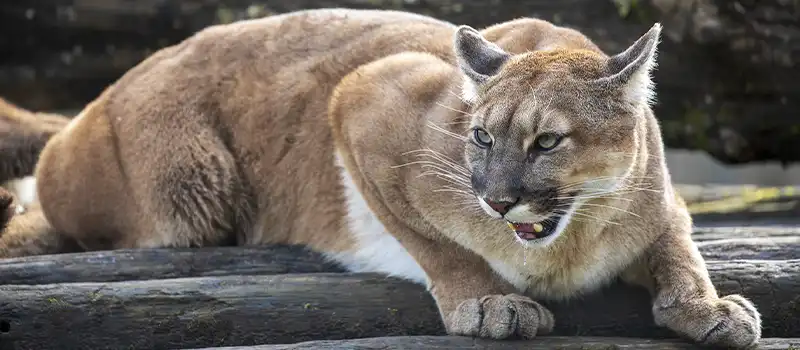
A strict carnivore, the puma hunts a variety of prey, ranging from small mammals such as rabbits and rodents, to large ungulates such as deer and elk. Thanks to its great discretion and agility, it can approach its prey without being detected, then leap with lightning speed to capture its victim. It is an opportunistic predator that does not hesitate to feed on carcasses left by other large predators.
Behavior and reproduction
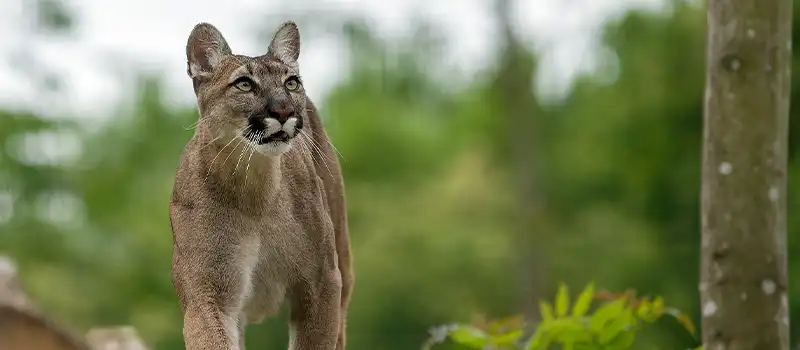
The puma lives mainly in mountainous, wooded or semi-desert habitats, where it can move freely while maintaining a vast territory. Due to its solitary and territorial behavior, each puma controls a large domain, which can extend over several hundred square kilometers, depending on prey availability.
Conservation and threats
Although the puma is classified as “Least Concern” by the International Union for Conservation of Nature (IUCN), it faces several threats. The loss of its habitat due to urban expansion and agriculture, as well as conflicts with humans, particularly hunting and road accidents, represent significant risks to its populations.