Habitat and distribution
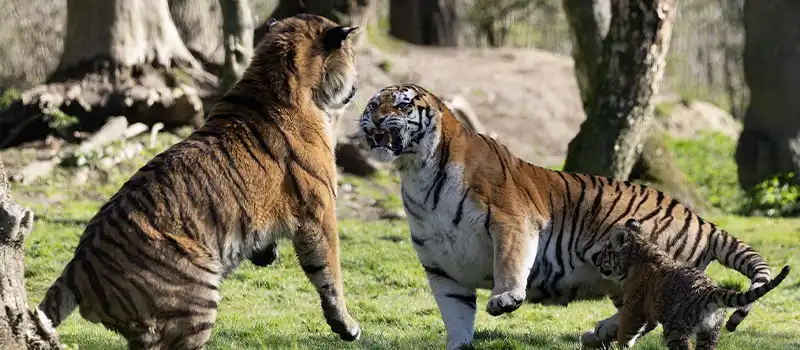
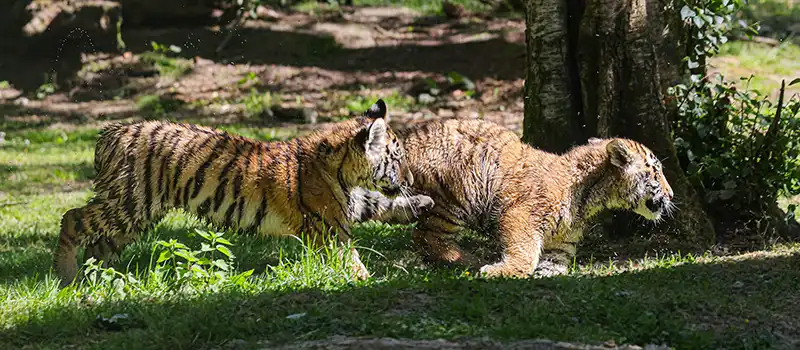
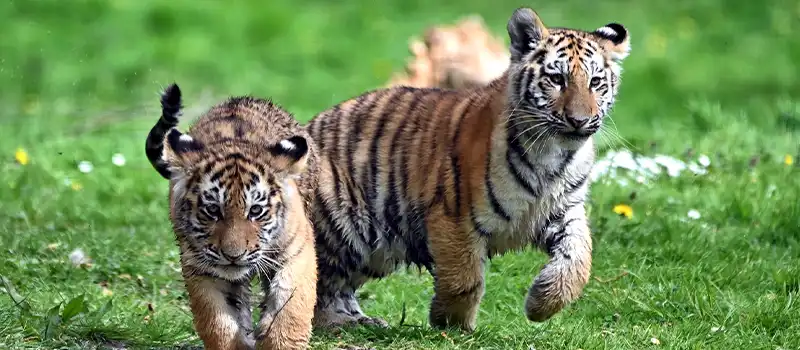
Its coat is thicker and paler than that of other tigers, providing excellent insulation against the freezing temperatures of its habitat. Its light orange fur is marked by distinctive black stripes, and its belly and the inside of its paws are covered with thick white fur. Its powerful musculature and large paws allow it to move efficiently through the snow.
Behavior and reproduction
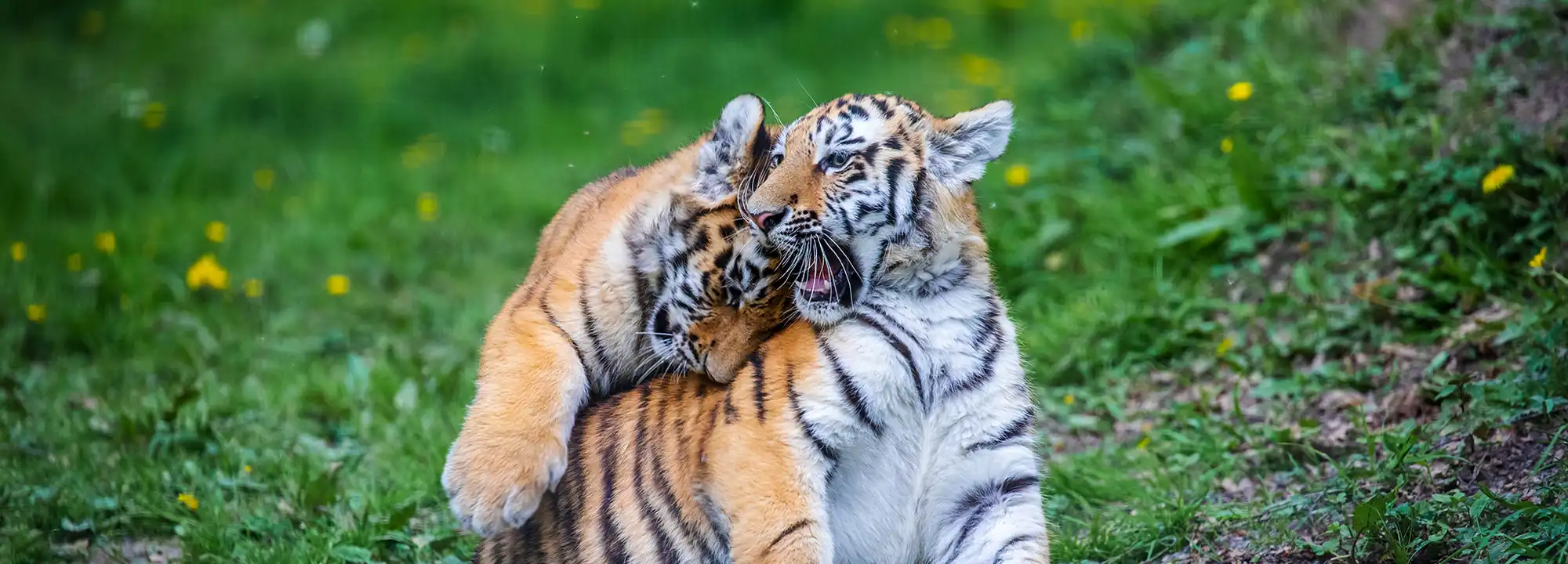
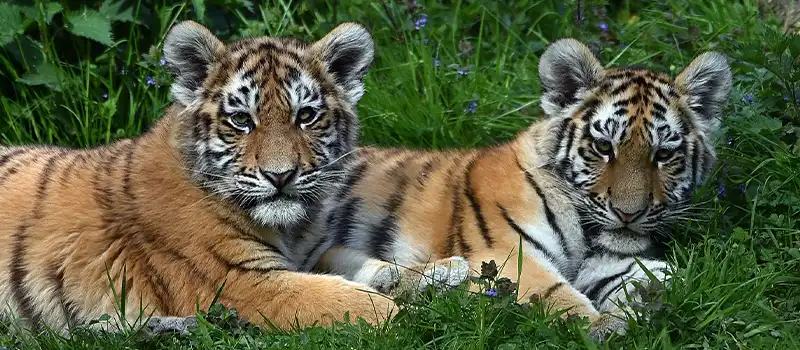
The Siberian tiger measures on average 2.70 to 3.30 meters in length, including its tail, and can weigh up to 300 kg for males, while females, which are smaller, weigh between 120 to 180 kg. It is a solitary animal that roams vast territories, sometimes several hundred square kilometers, in search of prey.
Habitat and distribution
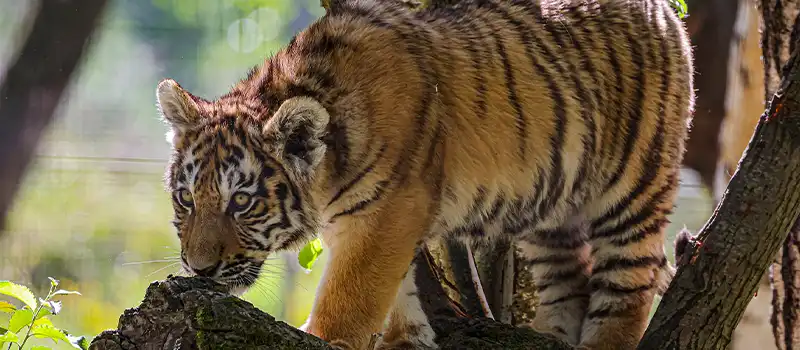
It lives mainly in the coniferous and deciduous forests of the Amur and Ussuri region in Russia. This territory, covered with snow for much of the year, provides it with a refuge relatively isolated from human activities.
Diet
Its diet is strictly carnivorous, composed essentially of deer, wild boar and sometimes bears, which it hunts thanks to its strength and incredible stealth. It can travel long distances to find prey and can survive several days without eating after a substantial meal.
Conservation and threats
The Siberian tiger has long been threatened by hunting and poaching, particularly for its skin and bones, used in traditional medicine. Today, it is the subject of rigorous conservation programs, where efforts have made it possible to increase its population. Despite these advances, deforestation and fragmentation of its habitat remain major threats to its future.