Angolan Lion
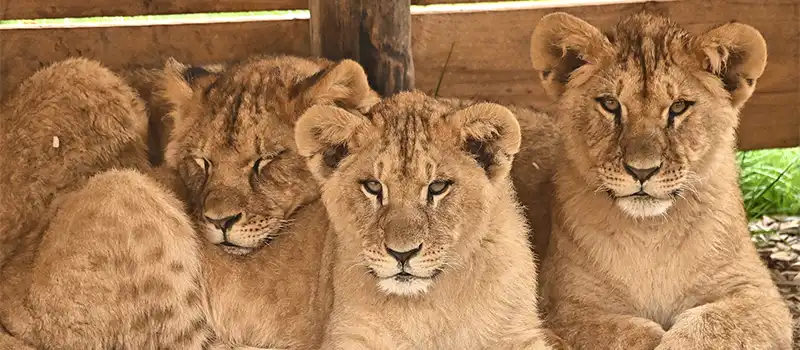
The Angolan lion, also called the southwestern African lion, is a subspecies of lion found mainly in Angola, Namibia, Botswana, Zimbabwe, and certain regions of Zambia. This emblematic feline is adapted to the vast savannas and semi-arid zones of southern Africa, where it plays a key role in maintaining ecosystem balance.
Behavior and reproduction
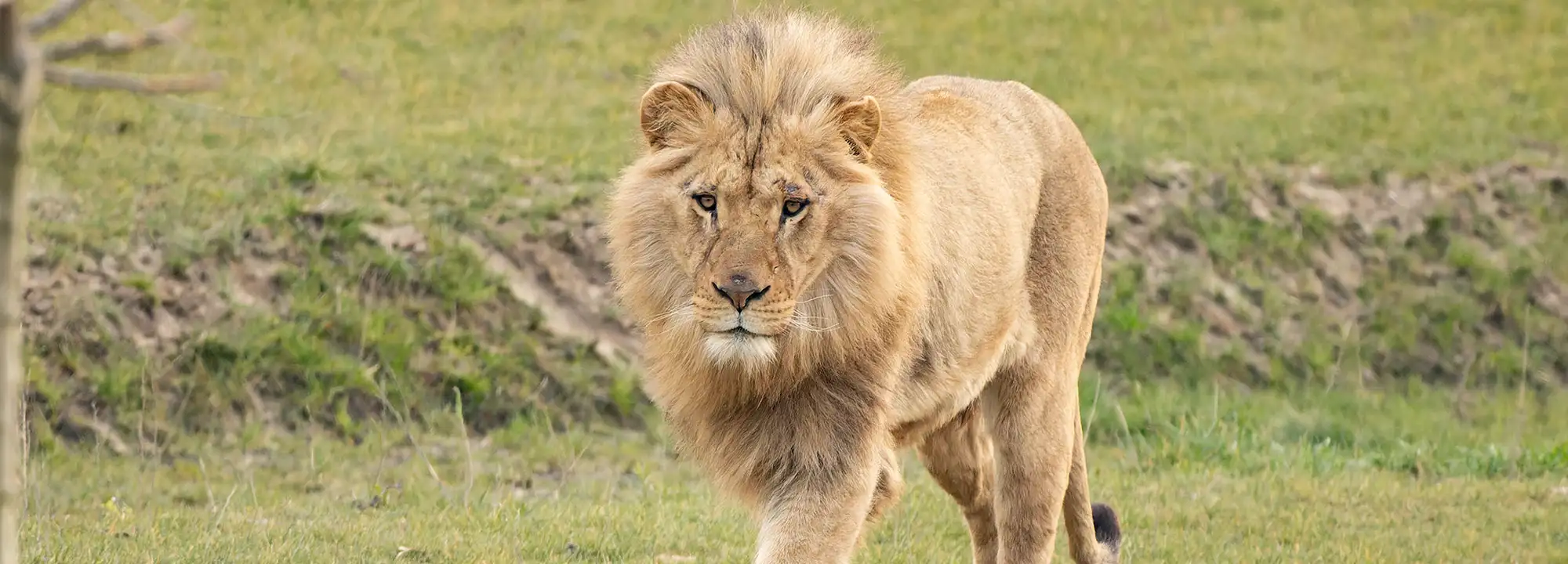
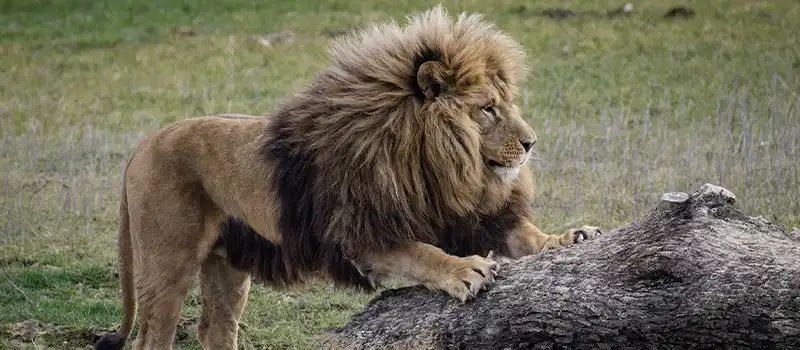
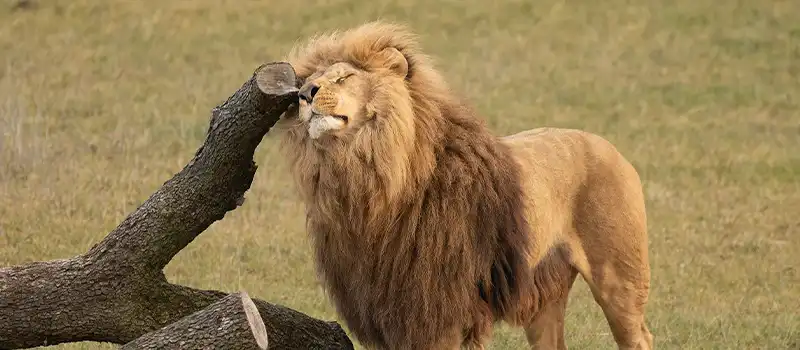
It is a powerful and imposing big cat. Males measure up to 3 meters in length, including the tail, and can weigh up to 250 kg, while females, smaller, reach approximately 150 kg. Males display a thick mane, whose color varies from light brown to black depending on age and climatic conditions. This mane, although less extensive than that of the Atlas lion, remains an impressive attribute that underscores their dominant status within the group.
Additional information
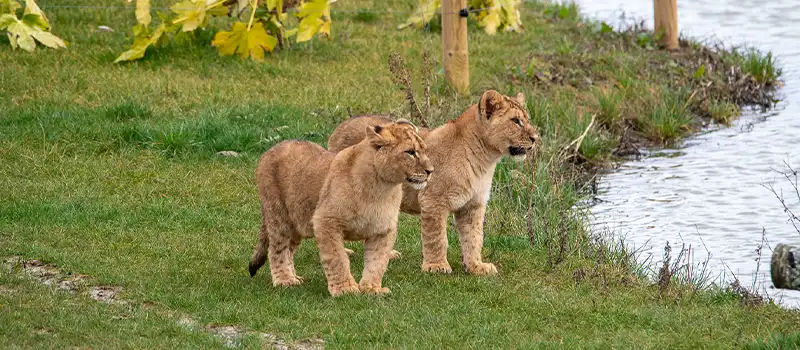
These lions live in prides, social groups composed of 3 to 30 individuals, generally including related females, their offspring, and one or more dominant males. They hunt cooperatively, targeting varied prey, such as zebras, antelopes, wildebeest, and sometimes larger animals like giraffes or buffalo. Lionesses, the primary hunters, exploit their agility and coordination to capture their prey, often during nocturnal hunts or at dusk.
Additional information
The Angolan lion inhabits varied habitats, ranging from open savannas to semi-desert regions such as those in Namibia. It adapts well to arid conditions, being capable of surviving with little water, relying on the moisture contained in its prey.
Conservation and threats
Although not yet classified as severely threatened, its populations are declining due to habitat loss, trophy hunting, and conflicts with humans.