Conservation and threats
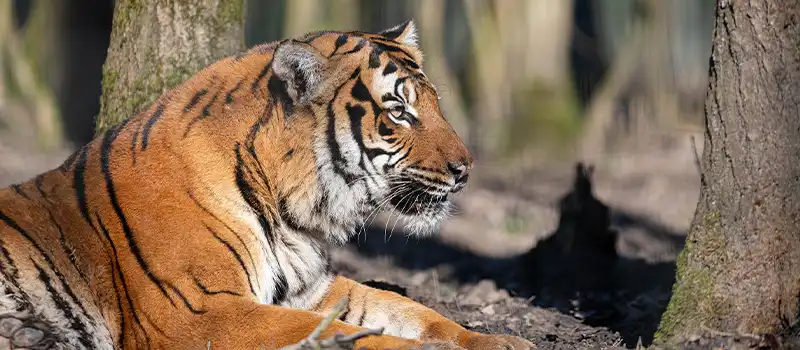
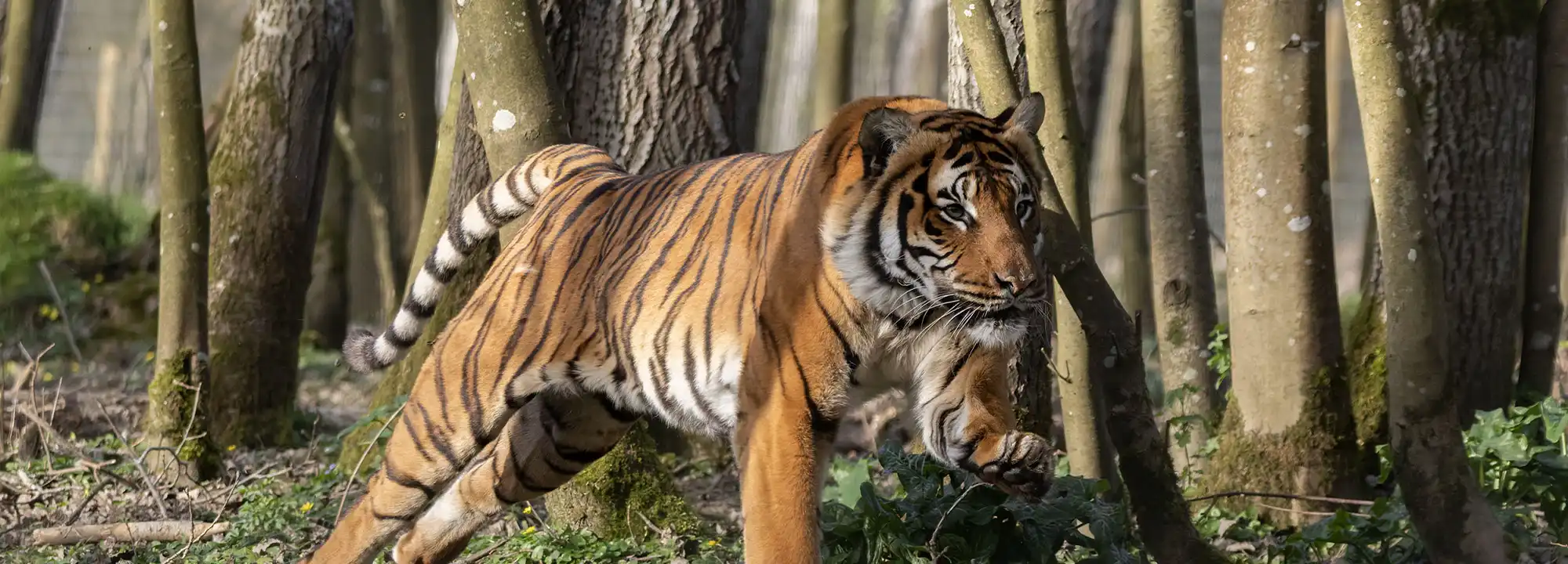
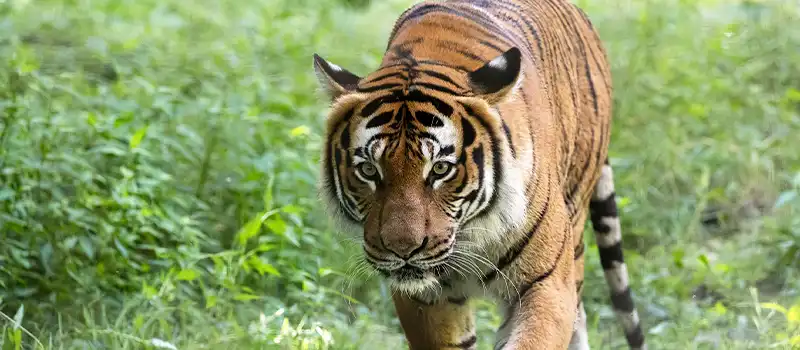
Its coat is a vibrant orange, dotted with black stripes and shades of white, particularly on the belly, lower legs and around the face. The Malaysian tiger has a slender silhouette, adapted to its dense habitat, composed of tropical forests and mangroves. Thick undergrowth and dense vegetation are its preferred territory, where it hunts in silence and with discretion.
Behavior and reproduction
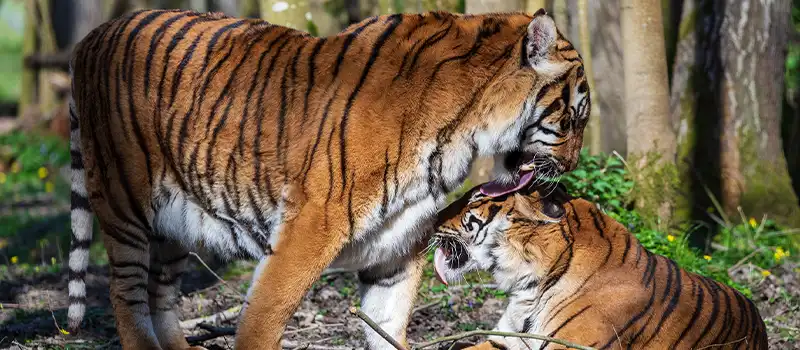
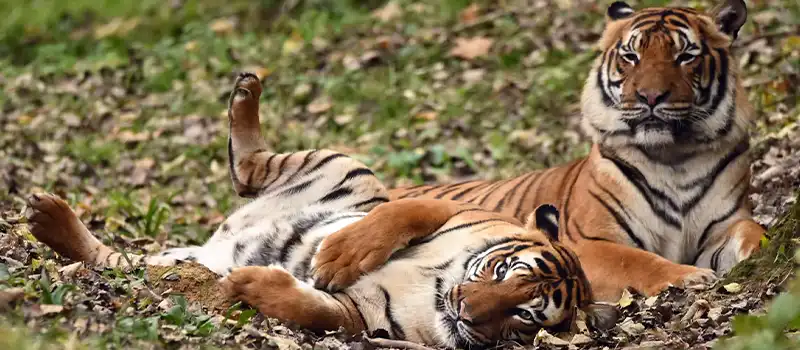
As adults, males measure on average 2.40 to 2.80 meters long, including the tail, and can weigh up to 160 kg, while females are generally smaller, weighing between 90 and 120 kg. Solitary by nature, it roams territories that can cover vast areas, sometimes up to several hundred square kilometers, in search of prey such as cervids, wild boars and smaller animals like birds or primates.
Additional information
The Malaysian tiger is a strategic predator, using its agility and discretion to approach its prey before striking with lightning speed. Its great ability to swim also allows it to cross rivers or wetland areas.
Conservation and threats
This subspecies is now classified as critically endangered. Rapid deforestation, poaching for its fur and bones, as well as fragmentation of its natural habitat seriously threaten its survival. The population of Malaysian tigers is estimated at fewer than 200 individuals in the wild, making it one of the rarest tigers in the world.